Blackjack (Natural 21)
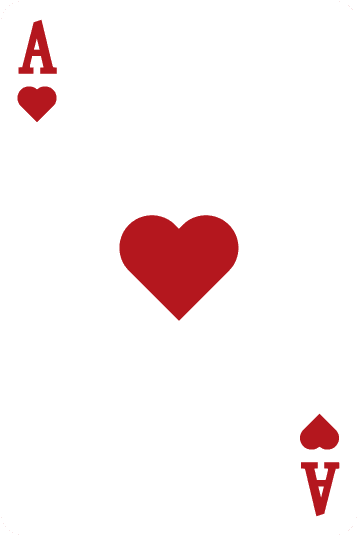
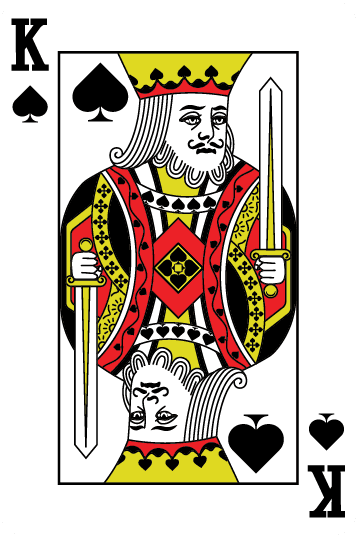
A blackjack, also called a natural, is the best possible hand in the game: an Ace plus a 10-value card (10, Jack, Queen, or King) dealt as your first two cards.
Why Blackjack Is Special
A blackjack isn't just 21—it's better than 21. Here's why:
- It beats a dealer 21 made with three or more cards
- It pays more than a regular win (typically 3:2)
- It can't lose unless the dealer also has blackjack (which results in a push)
If you have 21 made from three cards (like 7-7-7), that's just a regular 21. It ties with dealer 21 and pays even money. A blackjack is superior.
Blackjack Payouts: 3:2 vs. 6:5
The payout for blackjack significantly affects the house edge:
| Payout | Your $10 Bet Wins | House Edge Impact |
|---|---|---|
| 3:2 | $15 | Standard |
| 6:5 | $12 | Adds ~1.4% to house edge |
Always play at 3:2 tables. A 6:5 blackjack game takes an extra $3 from you every time you hit a natural. Over time, this adds up dramatically.
Some casinos advertise "Blackjack Pays 6:5" in large print—avoid these tables.
Dealer Blackjack
When the dealer shows an Ace, they'll check for blackjack before play continues. If the dealer has blackjack:
- Your blackjack pushes (tie, no money changes hands)
- All other hands lose immediately
This is why insurance is offered when the dealer shows an Ace—though you should never take it.
Even Money Offer
When you have blackjack and the dealer shows an Ace, the dealer may offer even money. This guarantees a 1:1 payout instead of risking a push.
Decline even money. The math favors taking your chances. You'll come out ahead in the long run by refusing this offer.