
Hit in Blackjack
In blackjack, a hit is one of the most fundamental actions you can take. It's the decision to request another card from the dealer in an attempt to improve your hand total and get closer to 21 without going over.
Understanding when to hit—and when not to—is the cornerstone of basic strategy. Master this decision, and you'll significantly reduce the house edge against you.
What Does It Mean to Hit?
When you hit, you're telling the dealer: "Give me another card." The dealer will then draw the top card from the shoe and add it to your hand face-up.
Here's a simple example. You're dealt a 7 and a 5:
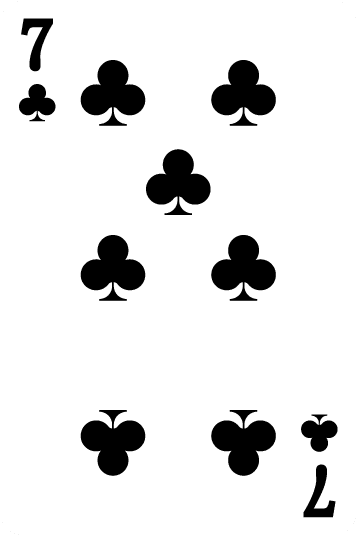
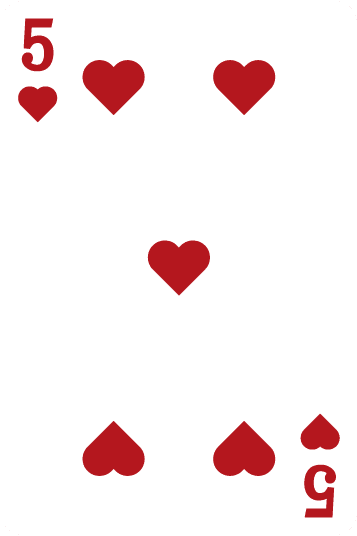
With a total of 12, you're far from 21 and can't bust with a single card (since the highest card value is 11 for an Ace counting as 1). You decide to hit and receive a 6:
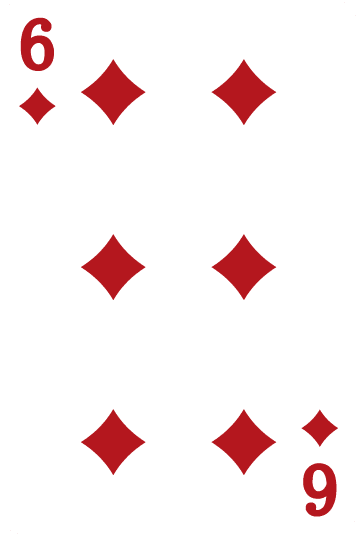
Now you have 18—a strong hand that you'd typically stand on.
The Hand Signal for Hitting
At a casino, you don't just say "hit me" (though the dealer will understand). There's an official hand signal that the overhead cameras record for security purposes.
To signal a hit: Tap the table twice with one or two fingers, near your cards. This motion clearly tells the dealer, "I want another card."
This signal is universal across casinos and ensures there's no confusion about your intentions. The cameras capture every gesture, protecting both you and the casino from disputes.
When Does Basic Strategy Say to Hit?
Basic strategy provides mathematically optimal guidance for every situation. Here are the key scenarios where hitting is correct:
Always Hit Hard Totals of 8 or Less
With a hand total of 8 or less, you cannot bust—it's impossible. Any card will improve your position or at least not hurt you.

Hit Hard 12 Against Dealer 2 or 3
This surprises many beginners. With hard 12 against a dealer showing 2 or 3, the correct play is to hit:
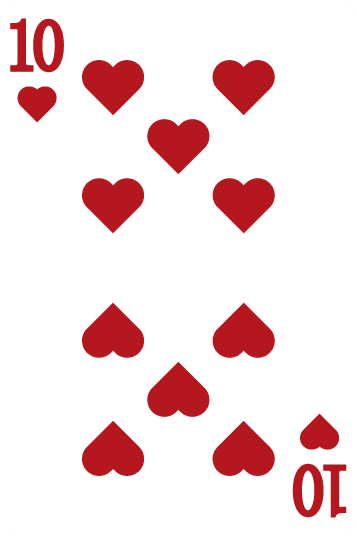
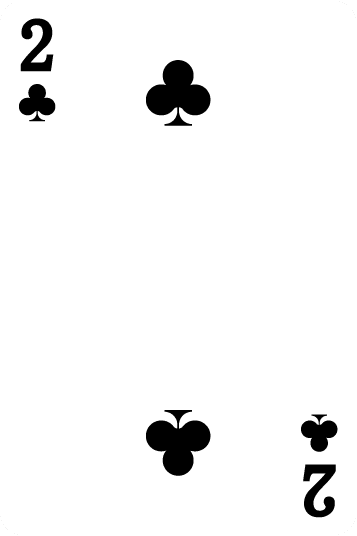
With a hard 12 against a dealer 3, the correct play is to hit. While you risk busting, the math shows that standing here loses more money in the long run.
Hit Hard 12-16 Against Dealer 7 or Higher
When the dealer shows a 7, 8, 9, 10, or Ace, they're in a strong position. You need to take risks to beat them:

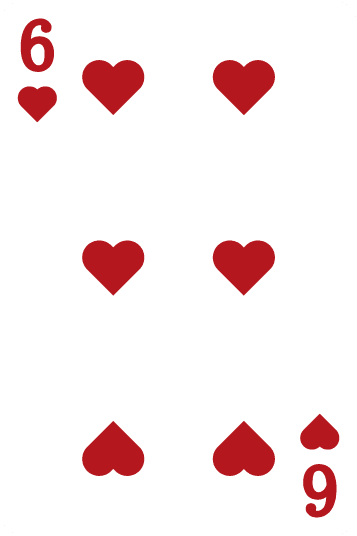
This is one of the toughest hands in blackjack. Against a dealer 10, surrender if available—otherwise hit. Yes, you'll bust often—but standing loses even more over time because the dealer's likely to make a strong hand.
Hit Soft Totals to Improve
Soft hands (hands containing an Ace counted as 11) give you flexibility. You should often hit these to try to improve:

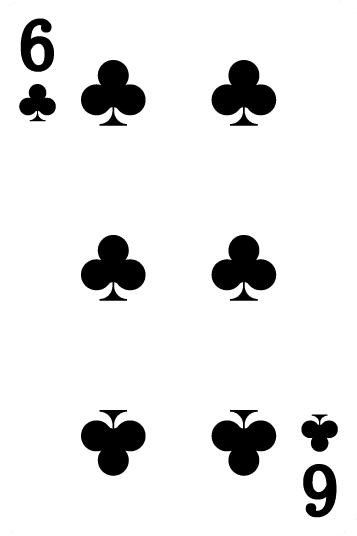
With soft 17, basic strategy says to hit against most dealer upcards. You can't bust, and you might improve to 18, 19, 20, or even 21.
Common Mistakes Beginners Make
Mistake #1: Standing on 12-16 Against Strong Dealer Cards
Many new players think, "I might bust if I hit, so I'll stand." This feels safe but costs money. When the dealer shows 7 or higher, they're favored to make a hand of 17+. Standing on a weak total means you're hoping they bust—which doesn't happen often enough.
Mistake #2: Hitting When You Should Double
Sometimes hitting is correct, but doubling is even better. For example:

Against a dealer 6, the correct play is to double—not hit. Doubling maximizes your profit in favorable situations. Don't leave money on the table by just hitting.
Mistake #3: Being Afraid to Hit Soft Hands
Beginners often stand on soft 17 or soft 18, thinking "17 is pretty good" or "18 beats most hands." But soft hands are opportunities! With soft 17 against a dealer 6, for instance, the correct play is to hit (or double). You can't bust, and you might end up with a much stronger hand.
Mistake #4: Not Considering the Dealer's Upcard
Your decision to hit should always factor in what the dealer is showing. A hard 13 against a dealer 6 is very different from a hard 13 against a dealer 10:
- Against dealer 6: Stand—the dealer is likely to bust
- Against dealer 10: Hit—you need to improve your hand
Quick Reference: When to Hit
Here's a simplified guide for the most common hitting situations:
Hard Hands:
- Always hit 8 or less
- Hit 9 against dealer 2 or 7-A
- Hit 10 against dealer 10 or A
- Hit 12 against dealer 2-3 and 7-A
- Hit 13-16 against dealer 7-A
Soft Hands:
- Hit soft 17 (A-6) against most dealer cards
- Hit soft 18 (A-7) against dealer 9, 10, or A
For the complete strategy, check our strategy charts.
Practice Makes Perfect
Knowing when to hit is essential, but internalizing it takes practice. You need to reach the point where the correct decision is automatic—no hesitation, no second-guessing. Practice with our free trainer until hitting decisions become second nature.