
Stand in Blackjack
In blackjack, to stand means you're satisfied with your current hand total and don't want any more cards. It's the opposite of hitting—instead of asking for another card, you're telling the dealer "I'm done."
Knowing when to stand is just as important as knowing when to hit. Stand at the wrong time, and you'll lose to a dealer who makes a better hand. Stand at the right time, and you'll watch the dealer bust while you collect your winnings.
What Does It Mean to Stand?
When you stand, your turn ends immediately. The dealer moves on to the next player, or if you're the last to act, the dealer reveals their hole card and completes their hand according to house rules.
Here's a classic standing scenario. You're dealt a King and a 9:

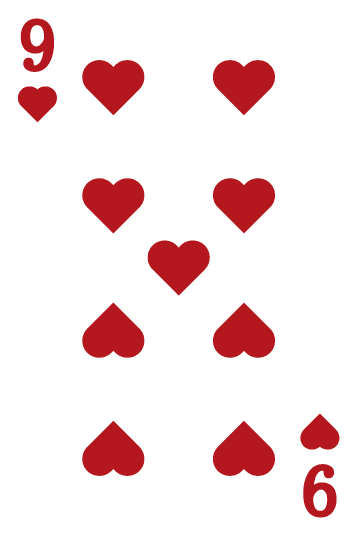
With 19, you have a strong hand. Taking another card would be foolish—any card 3 or higher would bust you. This is an easy stand.
But standing decisions aren't always this obvious. The real skill comes from knowing when to stand on weaker hands.
The Hand Signal for Standing
At a casino, you don't just say "stand" (though the dealer will understand). There's an official hand signal that the overhead cameras record for security.
To signal a stand: Wave your hand horizontally over your cards, palm down, in a single smooth motion. Think of it as saying "no more" with your hand.
This gesture is universal across casinos and creates a clear record of your decision. Never touch your cards in a shoe game—the wave is all you need.
When Does Basic Strategy Say to Stand?
Basic strategy gives you mathematically optimal guidance for every situation. Here are the key scenarios where standing is correct:
Always Stand on Hard 17 or Higher
This is the most fundamental standing rule. With hard 17, 18, 19, or 20, always stand. The risk of busting is too high, and these hands win often enough on their own.
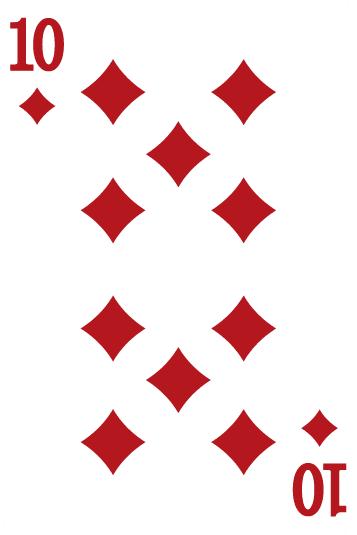
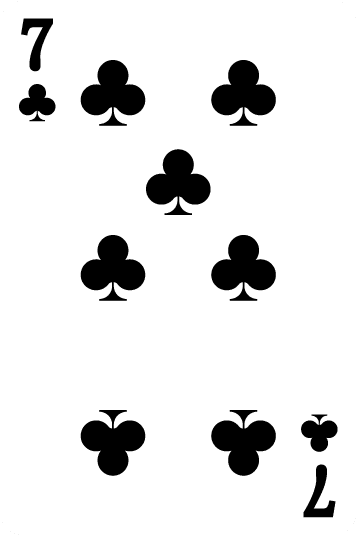
Even against a dealer showing a strong upcard like 10 or Ace, you stand on hard 17+. Yes, you might lose—but hitting would lose more money over time.
Stand on Hard 12-16 Against Dealer 2-6
This is where strategy gets interesting. When the dealer shows a weak card (2 through 6), they're likely to bust. Your job is to stay in the game and let them self-destruct.
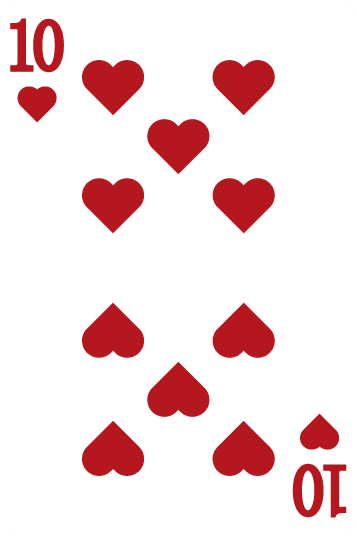
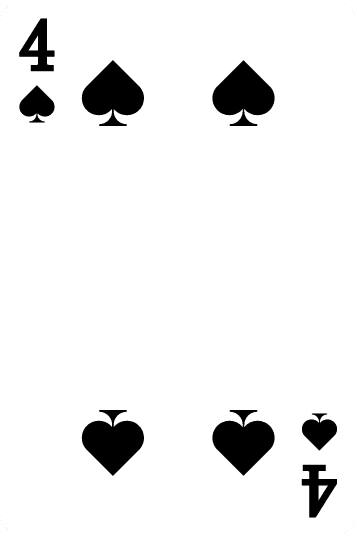
With hard 14 against a dealer 5, the correct play is to stand. You're not trying to improve your hand—you're trying to avoid busting while the dealer takes risks.
Exception: Stand on hard 12 only against dealer 4, 5, or 6. Against dealer 2 or 3, you should hit because the dealer isn't weak enough to justify the risk of standing on just 12.
Stand on Soft 19 and Soft 20
Soft hands with an Ace are flexible, but soft 19 and soft 20 are strong enough to stand:
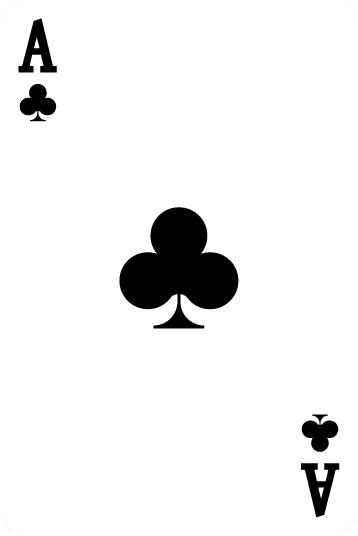
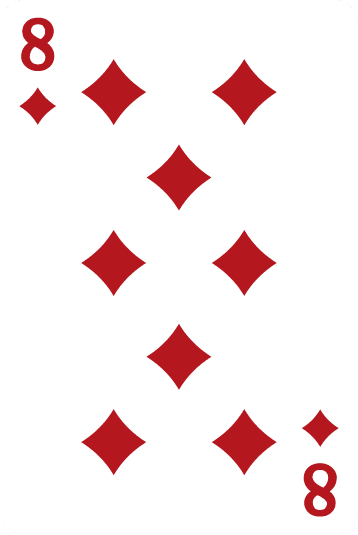
With soft 19 (Ace-8), you should stand against all dealer upcards. You already have a hand that beats 17 and 18, so there's little reason to risk it.
Exception: With soft 18 (Ace-7), the decision depends on the dealer's card. Against dealer 9, 10, or Ace, you should actually hit soft 18—it's not strong enough against those upcards.
The Critical Hard 16 Decision
Hard 16 against a dealer 7 or higher is one of blackjack's toughest spots. Here, you do not stand:
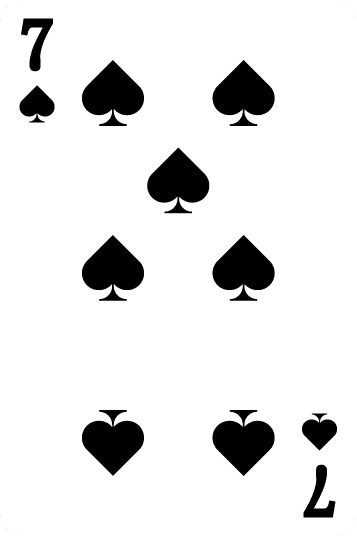
Against a dealer 10, surrender if available—otherwise hit. Standing on 16 against a strong dealer card loses more often than hitting does. Yes, you'll bust frequently—but you'll lose even more by standing and watching the dealer make 17+.
Quick Reference: When to Stand
Hard Hands:
- Always stand on hard 17+
- Stand on hard 13-16 against dealer 2-6
- Stand on hard 12 against dealer 4-6
Soft Hands:
- Always stand on soft 19 and soft 20
- Stand on soft 18 against dealer 2-8
For the complete picture, see our strategy charts.
Common Mistakes Beginners Make
Mistake #1: Standing on 12 Against Dealer 2 or 3
Many players think "the dealer is weak, I'll stand." But 2 and 3 aren't weak enough. The dealer will bust less often with these upcards, so you need to try to improve your 12:
Mistake #2: Standing on Soft 17
A soft 17 (Ace-6) looks decent, but it's actually a hitting hand:

You can't bust by hitting a soft hand, and 17 isn't strong enough to win consistently. Hit (or double against dealer 3-6) to try to improve.
Mistake #3: Standing Too Early on Soft 18
Soft 18 against dealer 9, 10, or Ace should be hit, not stand:
An 18 isn't strong enough against these powerful dealer cards. Since you can't bust, try to improve.
Mistake #4: Being Scared to Stand on "Bad" Hands
Conversely, some players can't resist hitting their 14 against a dealer 6. They think "14 is terrible, I need to improve!" But the dealer's weak card changes everything. Trust the math: stand.
The Psychology of Standing
Standing feels passive. You're not doing anything—you're just... waiting. This bothers some players, especially when they have a weak hand like 13 or 14.
But standing is an active decision. You're choosing to let the dealer take the risk. Against weak dealer cards, this is often the smartest play. The discipline to stand on "ugly" hands separates winning players from losing ones.
Practice Makes Perfect
Standing decisions become automatic with practice. Practice with our free trainer until you instinctively know whether to wave your hand or tap for another card.