Surrender in Blackjack
Surrender is the least glamorous play in blackjack—you're literally giving up. You forfeit half your bet and fold your hand before playing it. But used correctly, surrender is a smart strategic move that saves you money on the worst hands.
What Does It Mean to Surrender?
When you surrender, you're saying "this hand is so bad that I'd rather lose half my bet now than risk losing it all." The dealer takes half your wager, collects your cards, and moves on. Your turn is over.
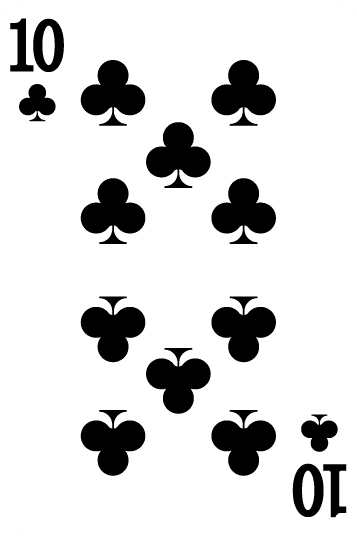
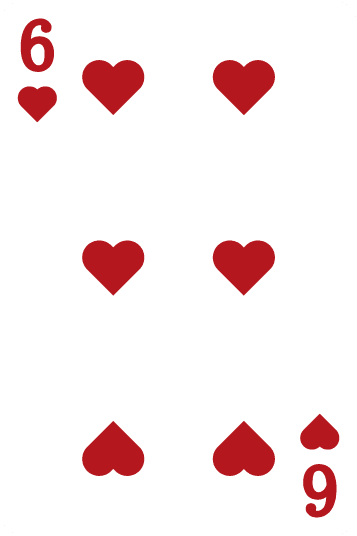
With hard 16 against a dealer showing 10, you're in deep trouble. You'll lose this hand more than 75% of the time whether you hit or stand. Surrender cuts your losses.
The Hand Signal for Surrender
To signal surrender: Draw a horizontal line behind your cards with your index finger (left to right), and verbally say "surrender" to the dealer.
Unlike other actions, surrender typically requires a verbal announcement because the hand signal alone can be ambiguous.
Early vs. Late Surrender
There are two types of surrender, and the difference matters:
Late Surrender (Most Common)
With late surrender, you can only surrender after the dealer checks for blackjack. If the dealer has blackjack, you lose your entire bet—no surrender allowed.
This is the type you'll find at most casinos that offer surrender at all.
Early Surrender (Rare)
With early surrender, you can surrender before the dealer checks for blackjack. This is much more valuable because you can escape even when the dealer might have 21.
Early surrender is rare because it significantly reduces the house edge. If you find it, take advantage.
When to Surrender (Late Surrender)
Surrender is only correct in a few specific situations:
Hard 16 vs. Dealer 9, 10, or Ace
This is the primary surrender situation:
Note: If your 16 is a pair of 8s, split instead of surrendering. Surrender applies to hard 16 made from other combinations.
Hard 15 vs. Dealer 10
- Against dealer 10: Surrender
Hard 15 against a dealer 10 is another losing proposition. Surrender saves you money in the long run.
Quick Reference Table
| Your Hand | Surrender Against |
|---|---|
| Hard 16 | Dealer 9, 10, Ace |
| Hard 15 | Dealer 10 |
That's it for late surrender. Just these few situations.
The Math Behind Surrender
Let's look at hard 16 vs. dealer 10:
- If you hit: You'll win about 23% of the time
- If you stand: You'll win about 23% of the time
- If you surrender: You automatically lose 50% of your bet
Since you're losing 77% of the time anyway, giving up 50% is actually the better deal. Over hundreds of hands, surrender on 16 vs. 10 saves you real money.
Common Surrender Mistakes
Mistake #1: Surrendering Too Often
Some players surrender whenever they have a "bad" hand. Don't surrender 14 or 15 against a dealer 9—the math doesn't support it. Only surrender in the specific situations listed above.
Mistake #2: Not Surrendering When Available
Conversely, many players never surrender because it "feels like quitting." But refusing to surrender 16 vs. 10 costs you money. Ego has no place in basic strategy.
Mistake #3: Surrendering 8-8 Instead of Splitting
A pair of 8s against a dealer 10 should be split, not surrendered. Two hands starting from 8 are better than automatically losing half your bet.
Mistake #4: Forgetting Surrender Is Available
Many players focus so much on hit/stand/double/split that they forget surrender exists. If the casino offers it, check your surrender situations first—they come before hit/stand decisions in the order of operations.
Finding Surrender Games
Not all casinos offer surrender. When you sit down at a table, ask the dealer: "Is surrender available?" or check the table placard.
Surrender reduces the house edge by about 0.07%. It's a small advantage, but every bit counts. Given the choice, always play at tables that offer surrender.
If Surrender Isn't Available
When you can't surrender, fall back to the next-best play:
- Hard 16 vs. 9, 10, A: Hit
- Hard 15 vs. 10: Hit
You'll lose more often than with surrender available, but hitting is still better than standing in these spots.
Practice Surrender Decisions
Surrender situations are rare but important. Practice with our free trainer to recognize them instantly when they come up.