
Double Down in Blackjack
Doubling down is one of the most exciting plays in blackjack. You double your original bet and receive exactly one more card. When the situation is right, doubling lets you maximize your profits on favorable hands.
What Does It Mean to Double Down?
When you double down, you're making a bold statement: "I like my chances so much that I'm willing to bet twice as much." You place an additional bet equal to your original wager, and the dealer gives you one final card. Your turn then ends—you can't hit again.
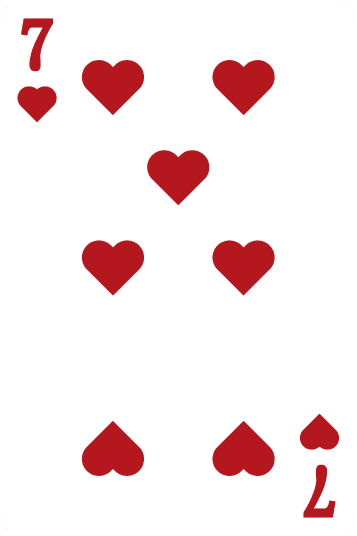

With 11, any 10-value card gives you 21. That's a 30% chance of hitting the best possible hand, and you can't bust. This is doubling territory.
The Hand Signal for Doubling
To signal a double: Place a second stack of chips next to your original bet (not on top), then point with one finger. This tells the dealer "I want to double and take one card."
Some players say "double" or "double down" verbally for clarity, but the chip placement and single-finger point are the official signals.
When to Double Down
Always Double on 11
This is the strongest doubling hand. Against any dealer upcard except an Ace, doubling on 11 is correct:
Double on 10 Against Dealer 2-9
A total of 10 is almost as good as 11. Double when the dealer shows weakness:
- Against dealer 6: Double
But against dealer 10 or Ace, just hit—the dealer is too strong.
Double on 9 Against Dealer 3-6
With 9, you only double against the weakest dealer cards:
Soft Hand Doubles
Soft hands with an Ace offer great doubling opportunities because you can't bust:
Soft 16, 17, 18 (A-5, A-6, A-7): Double against dealer 3-6
- Against dealer 5: Double
Soft 13, 14, 15 (A-2, A-3, A-4): Double against dealer 5-6 only
Quick Reference: When to Double
| Your Hand | Double Against |
|---|---|
| Hard 11 | Dealer 2-10 |
| Hard 10 | Dealer 2-9 |
| Hard 9 | Dealer 3-6 |
| Soft 13-14 | Dealer 5-6 |
| Soft 15-16 | Dealer 4-6 |
| Soft 17-18 | Dealer 3-6 |
Common Doubling Mistakes
Mistake #1: Not Doubling When You Should
Some players are scared to put more money at risk. But doubling in the right spots is how you maximize profits. If you have 11 against a dealer 6 and only hit, you're leaving money on the table.
Mistake #2: Doubling on 12 or Higher
You can't double on hard 12+. Well, technically some casinos allow it, but it's never correct. The bust risk is too high to commit more money.
Mistake #3: Ignoring Soft Doubles
Many players don't realize you can double soft hands. When you have A-6 against dealer 5, doubling is significantly more profitable than just hitting.
Mistake #4: Doubling 10 Against Dealer 10 or Ace
Your 10 isn't strong enough against the dealer's best cards. Just hit and hope for the best—don't throw more money at a marginal situation.
The Math Behind Doubling
Doubling works because you're increasing your bet when the odds favor you. With 11 against a dealer 6:
- You have a ~60% chance of winning the hand
- Doubling doubles your expected profit
- Over thousands of hands, this adds up significantly
This is the essence of basic strategy: bet more when you have the edge, bet less (or don't bet at all) when you don't.
Double After Split (DAS)
If the casino allows Double After Split, you can double down after splitting a pair. This is a valuable rule. For example:
- You split 8s
- On the first hand, you receive a 3 (giving you 11)
- With DAS, you can now double that 11
Always play at tables that offer DAS when possible—it reduces the house edge.
Practice Your Doubles
Doubling decisions require confidence. Practice with our free trainer until you know instantly whether to double, hit, or stand.